

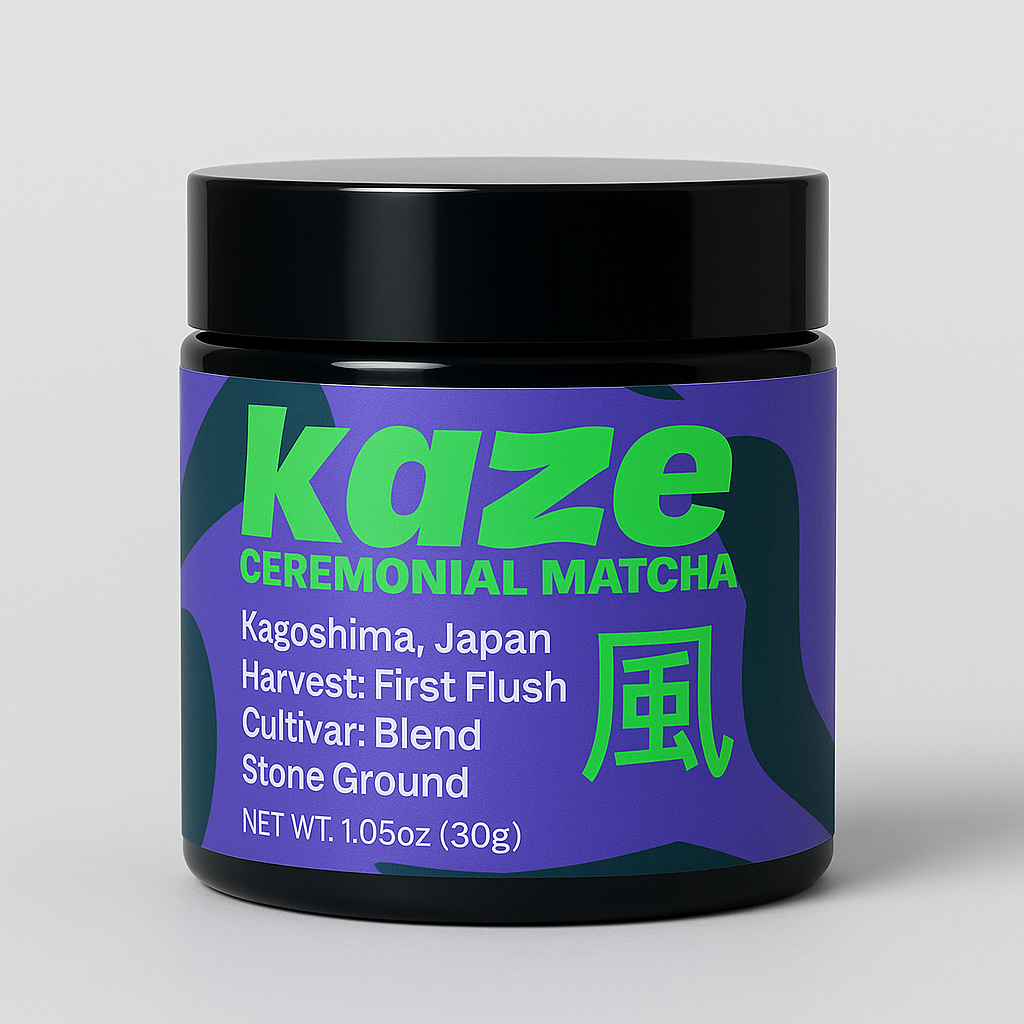
Ceremonial Matcha
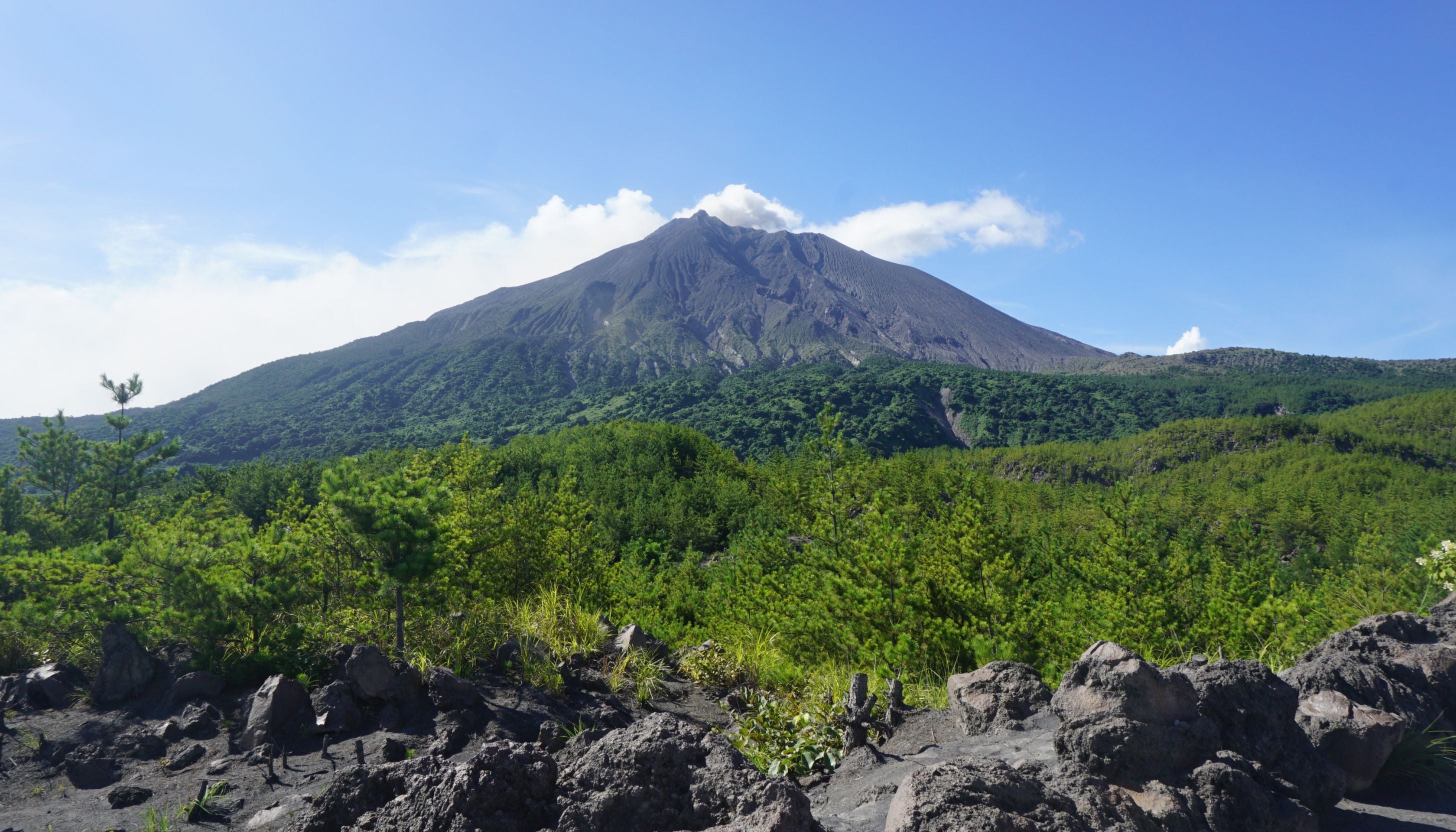
Single Origin, Stone Ground, First Flush Matcha from the Mist Covered Hills of Kagoshima, Japan.
Shop NowSourced From a Single Farm

Kagoshima
Kagoshima, at the southern tip of Japan.
Volcanic soil, misty mornings, warm days. Tea from here is smoother and sweeter than most, with less of the bite you get from cooler regions.

Shading
Shaded for the last 30 days.
Screens go over the rows before harvest. Starved of direct sun, the leaves make more chlorophyll and more L-theanine. That is where the color and the sweetness come from.

First flush
The spring picking, and only the top leaves.
The youngest leaves of the first harvest, from plants left to mature five years before their first crop. Steamed within hours, dried, and stripped of stems and veins.
Stone ground
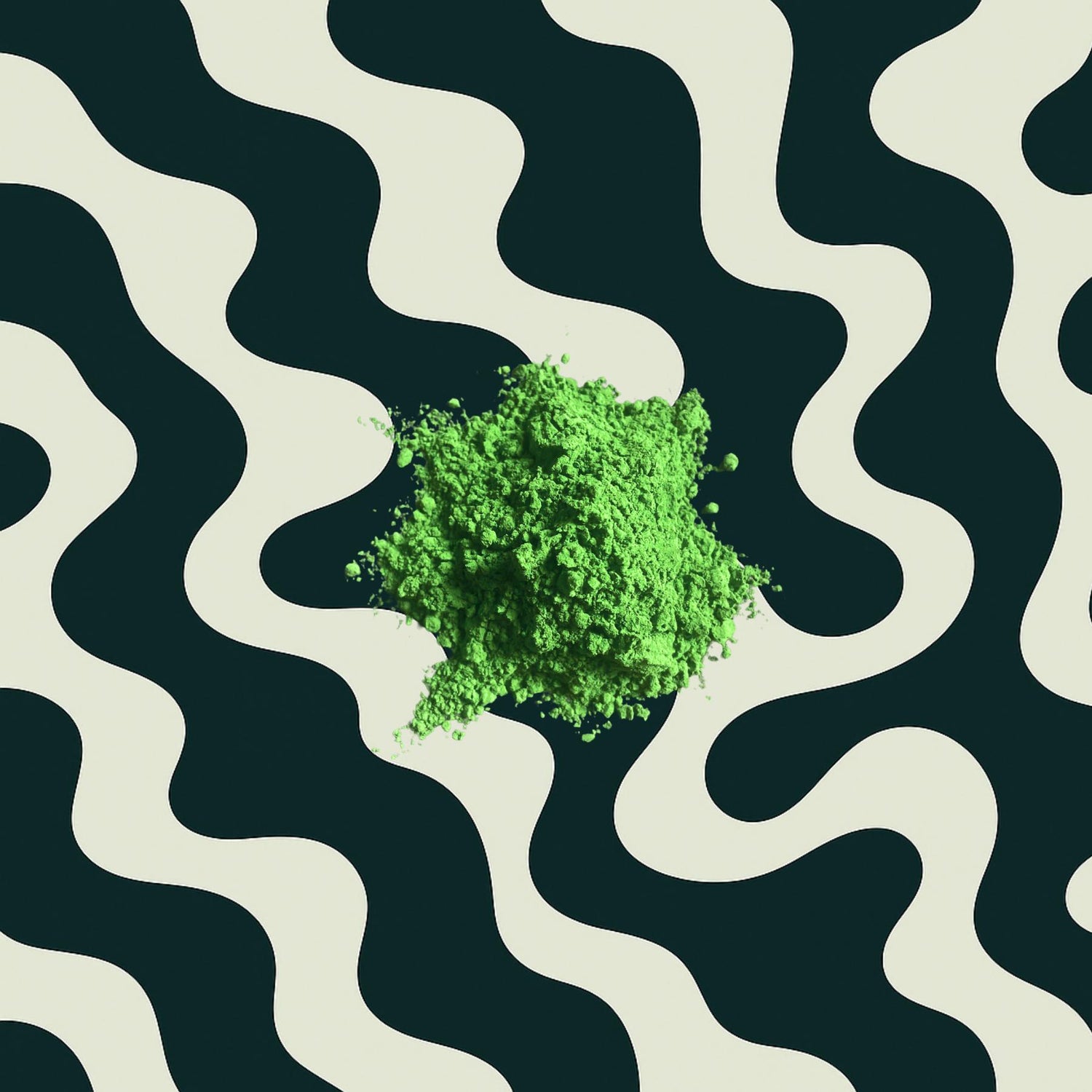
Stone ground so it never gets hot.
Granite mills turn at a walking pace. Fast grinding heats the leaf and dulls the flavor. Slow grinding keeps it bright.



The Matcha Reset
Thirty mornings. One bowl.
A 30-day guide rooted in the Japanese way of tea. The matcha reset is written for people who want a calmer start, that's anchored in ancient wisdom.

Steve Anderson, founder
I learned this from a tea master.
I trained under a Japanese tea master who taught me how to calm and focus my mind. On the days I drank matcha I ran a little faster and thought a little straighter. I started Kaze to share the matcha I drink, from the one farm I buy it from.
From the journal
View all-

What Do Matcha and Trail Running Have in Common?
At first glance, matcha and trail running might seem worlds apart—one a finely milled green tea born on mist-shrouded mountainsides, the other a sweaty scramble over rocky singletrack. Yet both...
What Do Matcha and Trail Running Have in Common?
At first glance, matcha and trail running might seem worlds apart—one a finely milled green tea born on mist-shrouded mountainsides, the other a sweaty scramble over rocky singletrack. Yet both...
-

The Mind-Body Connection: Awareness, Training, ...
What Is the Mind-Body Connection? Have you ever caught a ball without thinking, played an instrument with your eyes closed, or instinctively balanced on uneven ground? These are all examples...
The Mind-Body Connection: Awareness, Training, ...
What Is the Mind-Body Connection? Have you ever caught a ball without thinking, played an instrument with your eyes closed, or instinctively balanced on uneven ground? These are all examples...
-
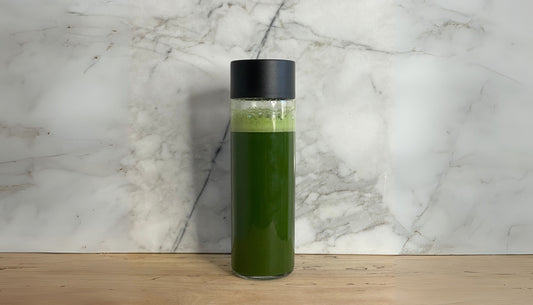
On-the-Go Matcha Preparation: Scoop, Shake, and...
In today’s fast-paced world, we need fuel that keeps up with our active lifestyles—something quick, effective, and nourishing. Enter modern matcha preparation: a simple, efficient way to enjoy all the benefits...
On-the-Go Matcha Preparation: Scoop, Shake, and...
In today’s fast-paced world, we need fuel that keeps up with our active lifestyles—something quick, effective, and nourishing. Enter modern matcha preparation: a simple, efficient way to enjoy all the benefits...

Also from Kaze
PurpleMind, for the afternoon.
A caffeine-free creatine drink for when the morning wears off. Salty lime, purple from butterfly pea flower.